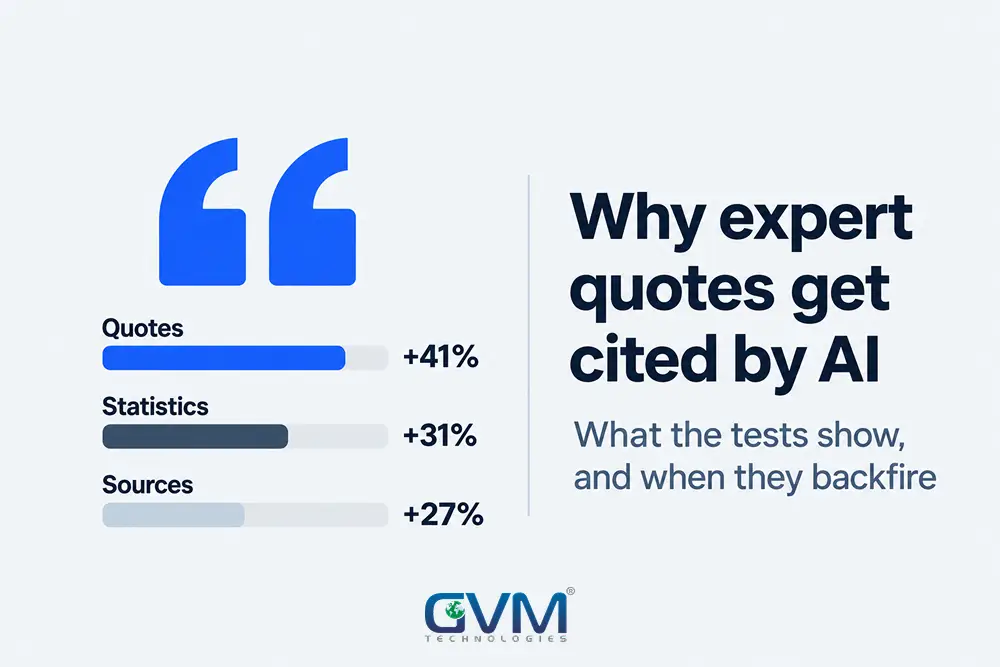
Expert quotes, in AI search, are word-for-word statements from a named, qualified person, shown with who said them and why that person knows.
In controlled tests, adding expert quotes was the biggest single on-page change for getting cited by AI. That holds only under specific conditions, covered below.
Quick answer: In a 10,000-query test, adding expert quotes raised a page’s share of AI answer text by about 41%, the biggest gain of any edit. Lower-ranked pages gained most, and quotes cannot help unretrieved pages.
Key Takeaways
- Quotations were the top-performing edit in controlled tests: about +41% share of answer text and +28% impression.
- On live Perplexity, the lift fell to about +22%, and statistics left a stronger impression.
- Pages ranked 5th gained about 100%. Pages ranked 1st lost about 23%.
- Expert quotes help most on explanation, people, and history topics.
- Quotes work after retrieval. They cannot fix missing rankings or a brand nobody mentions.
- Invented or AI-written quotes are a liability, not a lever.
Why Do Expert Quotes Beat Other On-Page Changes?
Expert quotes hand an AI a claim it cannot produce from memory, already tied to a named person. The model can lift it, credit the source, and lower its risk of error. Generic copy offers neither.
The test behind the “strongest lever” claim
Researchers rewrote web pages nine different ways. Then they measured how much of each page a generative answer engine reused, across 10,000 queries.
| Change made to the page | Share of answer text | Impression score |
|---|---|---|
| Add quotations from credible sources | +41% | +28% |
| Add statistics | +31% | +23% |
| Fluency rewrite | +28% | +13% |
| Cite sources | +27% | +13% |
| Authoritative tone | +10% | +19% |
| Keyword stuffing | -8% | +5% |
What “share of answer text” means: it counts how many of your words appear in the AI answer, weighted toward the top. It is not the odds of a link, a click, or a sale.
The keyword-stuffing row matters too. Repeating keywords lowered answer share, while adding a real quote raised it.
Why a quote outperforms a rewrite
- It adds what the model lacks. An AI can restate common knowledge without you. It cannot invent what your estimator said about winter roofing costs without risking a false claim.
- It carries its own credit line. “Said X, who does Y” gives the engine a source to name. That is what a citation is.
- It arrives pre-cut. A good quote is 1 to 3 sentences that stand alone, which matches how engines select passages.
- It shows experience instead of claiming it. An authoritative tone scored only +10%. Sounding expert is not the same as quoting one.
Google’s own AI optimization guide points the same way. It recommends “unique, expert-led content that provides value beyond common knowledge.”
When Expert Quotes Stop Working or Backfire
Expert quotes are a conditional lever. They help pages the AI already retrieves but ranks lower, on topics where judgment matters. They do little for top-ranked pages, simple fact lookups, or brands the web does not yet recognize.
| Situation | Effect of adding quotes |
|---|---|
| Page ranked 5th for the query | About +100% answer share |
| Page ranked 4th | About +25% |
| Page ranked 3rd | About +4% |
| Page ranked 1st | About -23% |
| Live Perplexity, all positions | About +22% |
The likely reason for the drop at the top: a #1 page is already the engine’s main source. Extra quoted material can dilute the passage it was lifting.
Topic fit decides how much quotes help
In testing, quotes helped most on explanations, people and society, and history. Those answers depend on experience and judgment. For a plain fact lookup, a statistic or a cited source usually does the job better.
A quote cannot fix retrieval
AI answer engines search first and read second. A quote on a page the search step never returns is invisible, however good it is. Our breakdown of how AI search engines rank sources covers that first step.
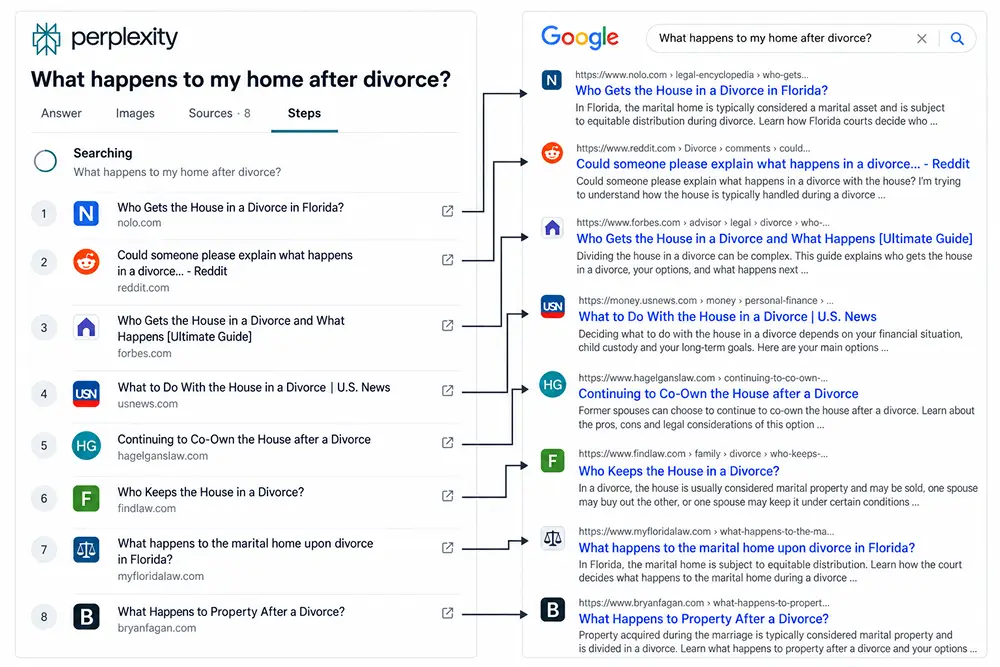
The arrows match pages Perplexity cited to the same pages in Google’s results. Retrieval comes before any quote is read.
A quote cannot replace outside corroboration
A brilliant quote on a site nobody else mentions still competes at a disadvantage. Third-party mentions get your brand into the candidate set. Expert quotes help a page win the passage once it is there.
That is why GVM Technologies scopes off-site mentions and on-page evidence as two separate pieces of work.
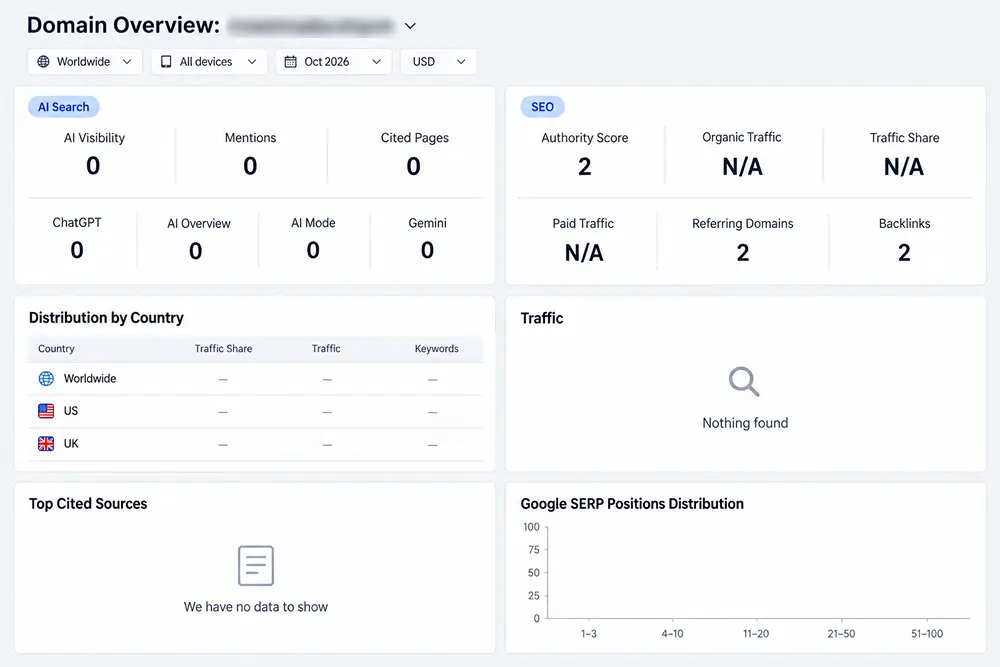
A new site starts here: zero AI visibility, however well its pages are written.
Answers about a topic also pull from guides, videos, and forum threads, not just brand sites. That is why brand mentions and citations need separate work.
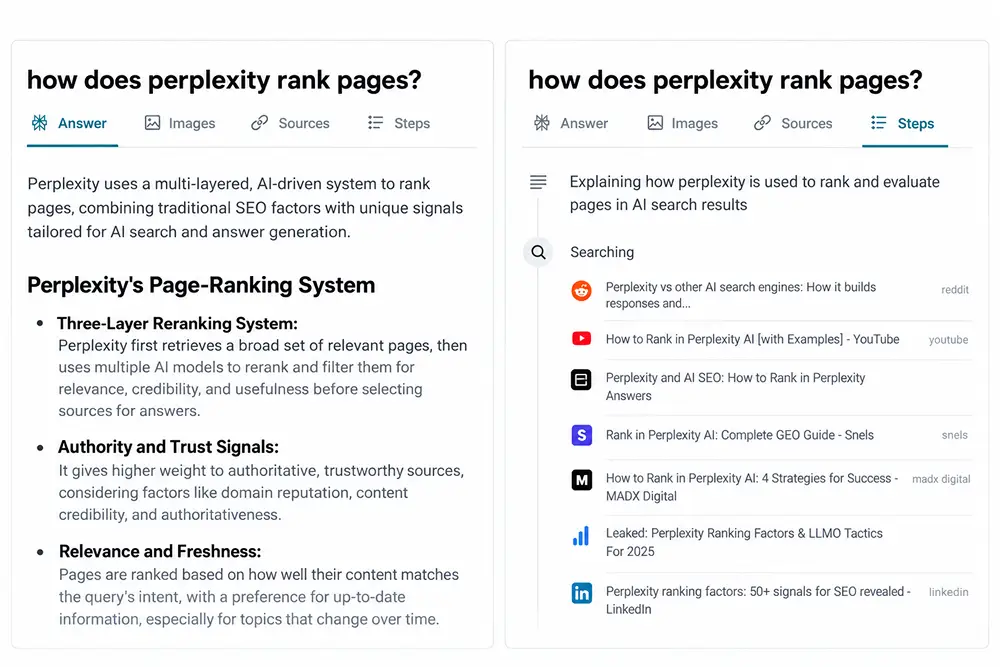
One answer, many source types. Your own page is one candidate among several.
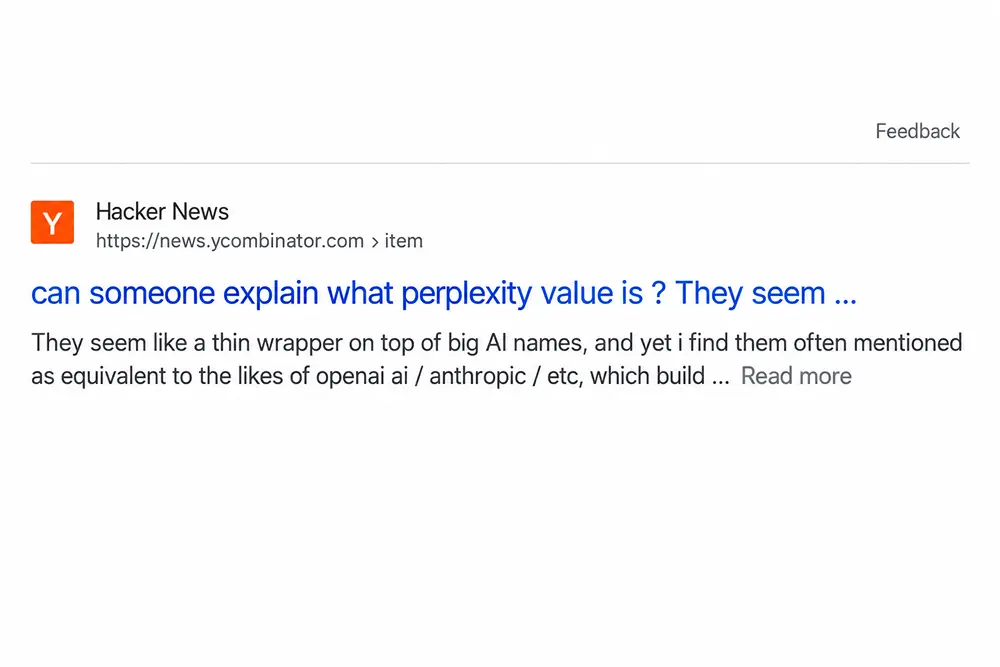
Forum threads rank and get read too, so outside discussion shapes what the engine sees.
What Does a Citable Expert Quote Look Like?
A citable quote names a real person, states their role and basis, and makes one specific, checkable point in 1 to 3 sentences. It sits right after the answer it supports, so the engine can lift both together.
| Part | Weak version | Citable version |
|---|---|---|
| Who | “An industry expert” | Full name |
| Role | Missing | Job title and company |
| Basis | Missing | Years, volume of work, or data seen |
| Claim | “Quality matters” | A specific, checkable point |
| Length | Long paragraph | 1 to 3 sentences |
| Placement | Floating in a list | Right after the answer it supports |
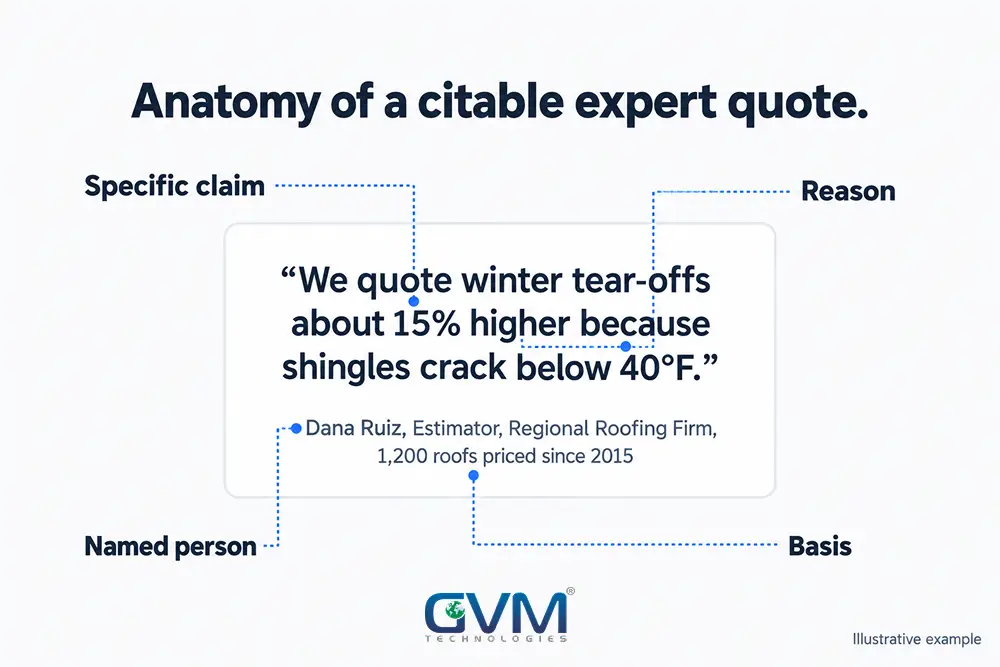
Illustrative example (the person and numbers are made up):
- Before: “Many experts agree winter roof repairs can cost more.”
- After: “We quote winter tear-offs about 15% higher because shingles crack below 40°F and crews lose daylight,” says Dana Ruiz, estimator at a regional roofing firm, who has priced 1,200 roofs since 2015.
The swap test: replace the name with a competitor’s employee. If nothing in the quote breaks, it is too generic to earn a citation. Rewrite it around a number, a reason, or a judgment.
Recognized names carry entity weight
AI engines associate some people with topics. Quoting a recognized expert links your page to an entity the model knows. Your in-house expert can earn the same recognition with a consistent bio on your site, LinkedIn, and interviews.
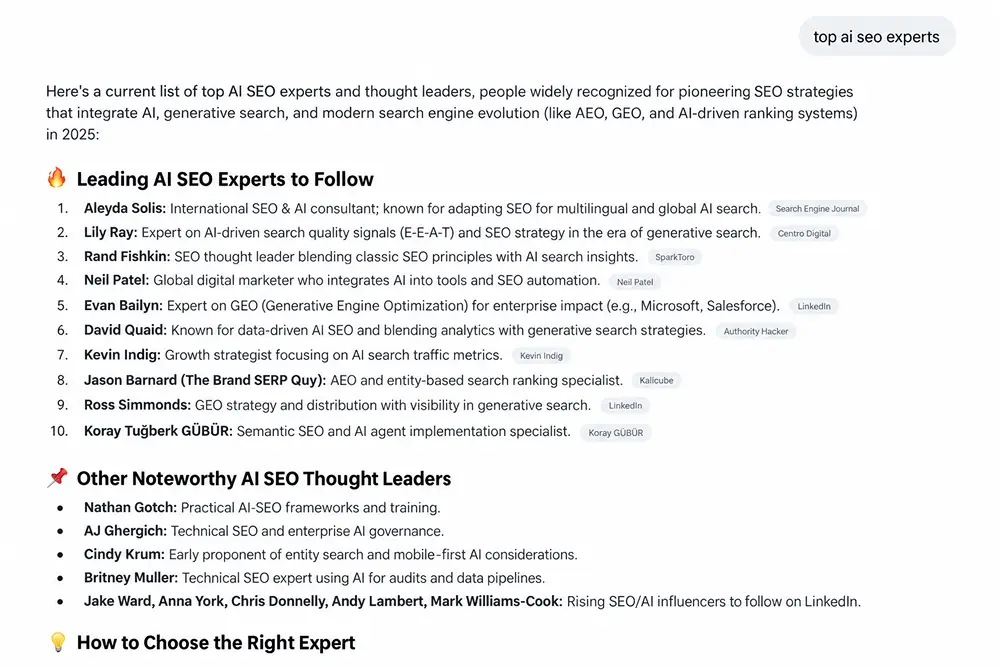
The names an AI calls experts come with sources attached. Recognition is built off-site.
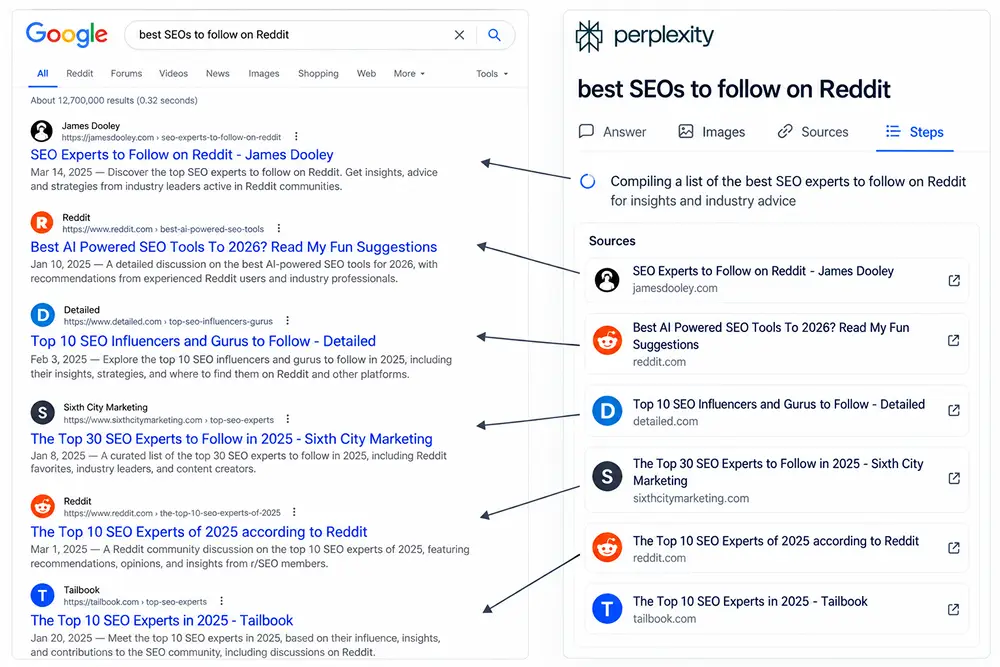
The pages that list those experts are pages that already rank.
This is entity clarity applied to people: one name, one role, described the same way everywhere.
How to Add Expert Quotes Without Faking Them
The safest source of expert quotes is people you can reach: your own staff, customers, and interviewed specialists. Collect the exact words, get approval, and attribute them fully. Never write a quote and attach a name to it.
1. Where real expert quotes come from
- Your own team: estimators, engineers, support leads, and founders who handle the questions daily.
- Customers: a specific result in their words, with written permission.
- Interviewed specialists: a short call with a named outside expert.
- Published statements: quoted exactly, with a link to where they said it.
- Your talks and podcasts: lines you already said in public, transcribed.
2. A 30-minute interview workflow
At GVM Technologies, we use a version of this process when we build generative engine optimization content for clients:
- List the 3 questions buyers ask most, from sales calls and support tickets.
- Ask your expert each question on a recorded call.
- Pull answers of 1 to 3 sentences that contain a number, a reason, or a judgment.
- Send the exact wording back for approval.
- Place each quote directly under the section answer it supports.
- Add name, role, and a link to a bio page.
- Record the approval date and re-confirm the quote every year.
3. Lines not to cross
- Never invent a quote or attribute AI-written text to a real person. It is deceptive and collapses the moment someone checks.
- Never trim a quote until it says something the speaker did not mean.
- Do not stack quotes as filler. One per major section is plenty.
- Avoid role-only credit like “a senior marketer says.” It gives the engine nobody to name.
- Do not buy fake mentions. Google lists seeking inauthentic mentions as something you do not need to do.
Expert Quotes vs Statistics vs Citing Sources
Use expert quotes for judgment and experience, statistics for size and change, and source citations for claims you did not originate. Most strong pages use all three, each where it fits.
| Your section needs | Use | Why |
|---|---|---|
| Judgment or experience | Expert quote | Adds a view AI cannot generate |
| Proof of size or change | Statistic | Strongest impression on live Perplexity |
| Support for an outside fact | Cite the source | Up to +115% for 5th-ranked pages |
| Your own measured result | Number plus quote | Both are non-commodity |
How to Tell Whether Expert Quotes Are Working
Track a fixed prompt set before and after adding quotes, run each prompt several times, and log which URLs get cited. One screenshot proves nothing, because AI gives different answers to the same prompt.
- Pick 10 to 20 prompts where the target pages should help.
- Run each prompt 5 times per engine and log every cited URL.
- Add expert quotes to half the target pages and leave the rest unchanged.
- Re-run the same prompts after 4 to 6 weeks.
- Compare citation rates, and search the answers for your quoted wording.
Step 1 is the same AI citation baseline GVM Technologies recommends before you hire any agency.

64 cited pages, only 14 mentions. Pages get cited far more often than brands get named.
A quote credited to a named person at your company gives the answer a reason to say your name, not only link your page.
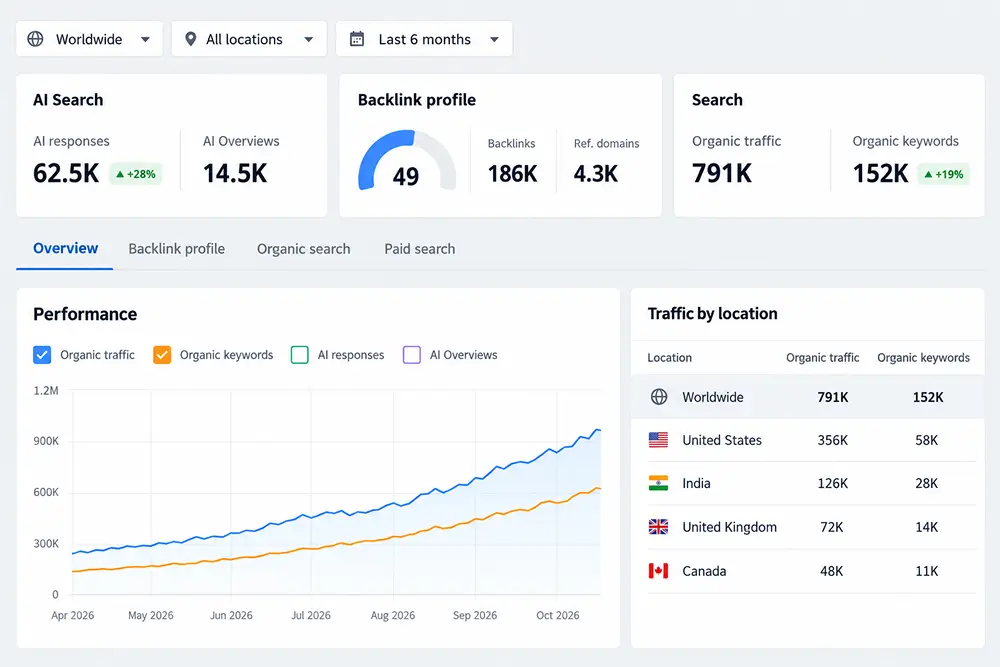
Large AI citation counts usually sit on top of large organic footprints. Judge quote gains against that baseline.
Report the change in citation rate on your tested pages, not the total count. Our guide to GEO reporting beyond citation counts explains why totals mislead.
FAQs
1. Do expert quotes guarantee an AI citation?
No. AI answers vary from run to run, and quotes only help after a page is retrieved. Anyone promising guaranteed AI citations is selling something no one controls.
2. How many expert quotes should one page have?
Usually one per major section, or 2 to 4 per article. No published test defines an ideal count. Claims that “2 or more quotes” add a fixed percentage come without a published method.
3. Can I quote my own employees?
Yes, if they have real expertise and you show their full name, role, and basis. An in-house estimator with 10 years of pricing data is a stronger source than an anonymous outside “expert.”
4. Do AI-written quotes work?
Do not use them. A quote the person never said is a fabrication, whatever tool wrote it. Real quotes are cheap to collect, so faking one is all risk.
5. Do I need special schema markup for quotes?
No. Google says no special schema is needed for AI search. A bio page that states each expert’s role and credentials consistently does more than any quote markup.
What to Do Next
Expert quotes are the strongest tested on-page edit, but only for pages that are already retrieved and topics where judgment matters. Treat them as a way to win the passage, not to get into the race.
- Today: find your 5 most important pages and mark every unattributed “experts say” line.
- This week: run a 30-minute interview with one in-house expert and collect 6 to 9 quotes.
- This month: place approved quotes on pages ranked 3rd to 10th, and record a 5-run prompt baseline first.
- Every quarter: re-run the prompts, compare tested pages with untouched ones, and refresh quote approvals.
AI engines will keep changing how they retrieve sources, but a named person saying something specific and true stays useful in every version so far.
Getting cited, but never named?
If AI answers link your pages without naming your brand, or skip you entirely, the gap is usually fixable. GVM Technologies checks:
- Which of your pages AI engines retrieve, and for which prompts
- Where unattributed claims could become real expert quotes
- Whether your experts and brand are described consistently across the web
- Which third-party sources the engines trust in your category
We have run SEO and GEO from one team since 2012, under ISO-certified processes, with named client case studies.